
On Wednesday, July 2, 2025, an unexpected fire in Ciudad Las Canas, a prestigious residential development near Punta Cana in the Dominican Republic, captured headlines and raised concern among local residents, investors, and international observers alike. The blaze destroyed at least five villas and affected a total of 18 properties, causing an estimated $100 million in damages. Fortunately, and most importantly, no lives were lost, and no injuries were reported.
The scope and suddenness of the fire were indeed shocking, especially in a region known more for its pristine beaches, thriving tourism, and robust real estate growth than for disasters of this magnitude. As a professional in real estate and investment, I understand that when major events like this occur, they can provoke deep concern among current and potential investors.
But here’s what I want to emphasize: context is everything.
The Emotional Reaction: Understandable, but Premature
I was recently working with a client who was about to close on a stunning apartment in a vibrant Punta Cana development. As news of the Las Canas fire spread, she became anxious. Like many people, she began questioning whether Punta Cana was still a safe and viable place to invest.
This reaction is entirely human. When we see shocking images or hear stories of destruction—especially involving the kind of property we ourselves are considering—it’s natural to feel uncertain. But this is precisely the moment when perspective is most needed.
The apartment she was planning to buy was dozens of miles away from Las Canas. The building had entirely different construction standards, location-specific safety features, and was managed by a separate development company with a strong track record. There were no connections geographical or structural, between her investment opportunity and the site of the fire.
What I reminded her (and what I’m reminding you now) is that one incident does not define an entire market. If we let fear overshadow facts, we may walk away from opportunities that still hold significant potential.
Understanding the Incident: A Singular Event, Not a Pattern
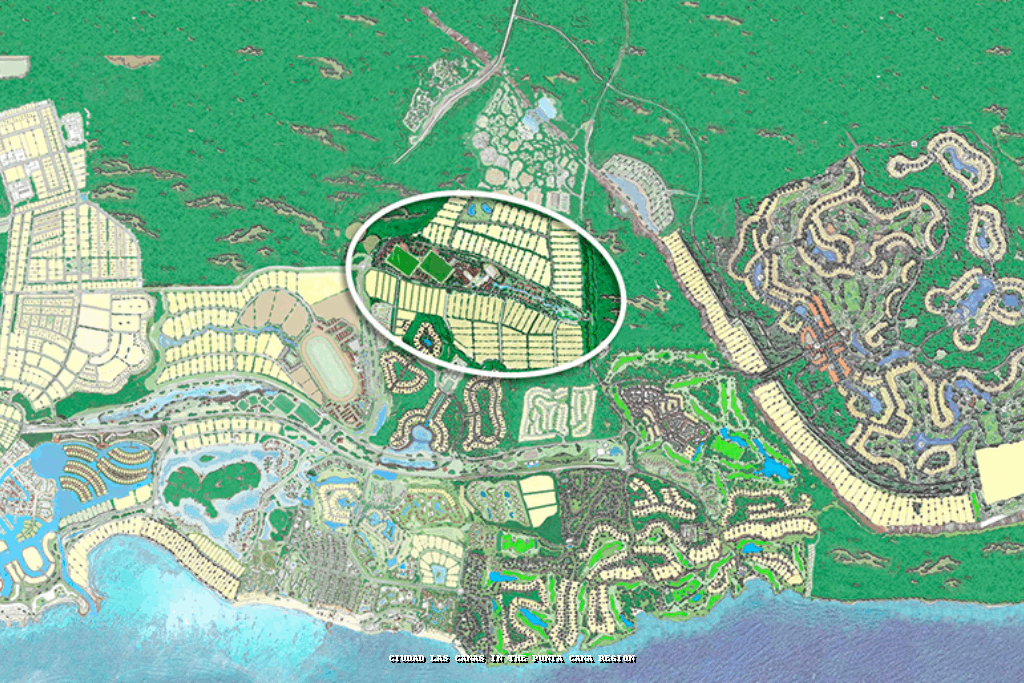
Las Canas is a residential enclave located within the Cap Cana development zone, on the outskirts of Punta Cana. While part of the greater Punta Cana region, it’s a distinct community, and the July 2nd fire, while devastating, was an isolated and unprecedented incident.
It’s critical to note that this fire does not reflect the broader security or infrastructure conditions of the Dominican Republic’s east coast. There is no ongoing pattern of similar incidents and no evidence of systemic risk for property investors. Local authorities, developers, and emergency services responded quickly and have already begun investigations and reviews to prevent future occurrences.
Yes, this was a dramatic event. But isolated events, especially ones that cause no loss of life, should not be viewed as representative of an entire region’s real estate profile.
”The Las Canas fire should remind us that due diligence matters. That insurance policies, fire prevention strategies, and responsible developers are not optional, they’re essential. But it should not convince us that a vibrant, fast-growing region is suddenly unsafe or unwise.”
Facts Over Fear: Three Core Principles for Investment Evaluation
When considering a property investment, especially in a market you’re less familiar with, it’s easy to let fear cloud judgment. But wise investing requires discipline, analysis, and a balanced perspective. Here are three key principles I encourage every investor to use:
1. Evaluate Location – Location – location
Ask yourself:
- Is the area economically stable?
- Is it growing?
- What’s the tourism activity and infrastructure investment like?
In Punta Cana, the answers are a resounding yes. The area continues to experience significant growth, including new airports, highway expansions, hospitality ventures, and eco-conscious developments. The fundamentals remain strong, even in the face of isolated incidents.
2. Consider Long-Term Growth Trends
Real estate is inherently a long-term game. Temporary events, whether a fire, a storm, or a news cycle, should be evaluated against multi-year performance metrics. Punta Cana has shown resilience through global economic shifts, hurricanes, and even the COVID-19 pandemic. Properties here continue to appreciate, rental yields remain competitive, and demand from North American and European buyers continues to rise.
Walking away from a long-term opportunity due to a short-term headline is like selling your stocks at the first market dip. It’s reactionary, not strategic.
3. Focus on Facts, Not Fear
Yes, the Las Cañas fire was significant. But facts matter:
- It was contained quickly.
- There were no injuries.
- It’s being thoroughly investigated.
- Preventive measures are already in motion.
Let data guide you. Ask your agent or advisor for property-specific details. Understand the building codes, insurance policies, and risk mitigation efforts of your intended investment—not just what’s in the headlines.
Zooming Out: The Bigger Picture of Punta Cana
Punta Cana isn’t just another tropical beach town—it’s one of the Caribbean’s most active hubs for tourism and international real estate. Its international airport welcomes over millions of passengers annually. It hosts luxury resorts, world-class golf courses, marinas, and master-planned communities. It’s a magnet for both short-term vacationers and long-term investors.
What’s more, the Dominican Republic as a whole is one of the most investment-friendly countries in the Caribbean, with favorable tax incentives, a growing middle class, and strong international partnerships.
So while Las Cañas may have made headlines, the real headline should be this: Punta Cana is thriving.
”The Dominican Republic as a whole is one of the most investment-friendly countries in the Caribbean, with favorable tax incentives, a growing middle class, and strong international partnerships”.
The Risk of Overreaction: Missing Out on Opportunity
There’s a concept in behavioral economics called loss aversion: W e fear losses more than we value equivalent gains. It’s why investors often pull out too soon. In real estate, especially international real estate, this mindset can lead to missed chances for portfolio growth.
Letting a single incident define an entire region is like refusing to travel to a country because of one city’s crime report. Or avoiding an airline because of one past accident. It’s not rational, and it’s not how experienced investors make decisions.
When you’re investing in property—especially internationally—it’s crucial to develop a resilient, informed mindset. Balance caution with clarity.
Final Thoughts: Anchor to Reality, Not Emotion
”Walking away from a long-term opportunity due to a short-term headline is like selling your stocks at the first market dip. It’s reactionary, not strategic.”
As someone who advises clients on property investments, I’ve seen both the risks and rewards. I’ll never tell a client to ignore a valid concern, but I will always encourage them to dig deeper, ask the right questions, and base their decisions on a full picture, not a partial snapshot.
The Las Canas fire should remind us that due diligence matters. That insurance policies, fire prevention strategies, and responsible developers are not optional, they’re essential. But it should not convince us that a vibrant, fast-growing region is suddenly unsafe or unwise.
So to all current and future investors: take a breath. Do your homework. Talk to trusted professionals. And remember that one incident, however unsettling, doesn’t define a destination.
Punta Cana is still open for business and… For investment.
With love,
Yakaira Ortiz, Real Estate Promoter |Dominican Republic